Tulsi, also known as Holy Basil, is a must-have plant for every home gardener. Its medicinal properties and spiritual significance make it highly popular. While most gardeners struggle to grow a bushy Tulsi plant, I discovered an amazing technique called the Stress-Watering Technique, which not only improved the plant’s health but also resulted in unexpectedly dense and bushy growth.
In this article, I’ll walk you through everything you need to know to grow Tulsi using this technique, step by step.
What is the Stress-Watering Technique?
Definition and Concept
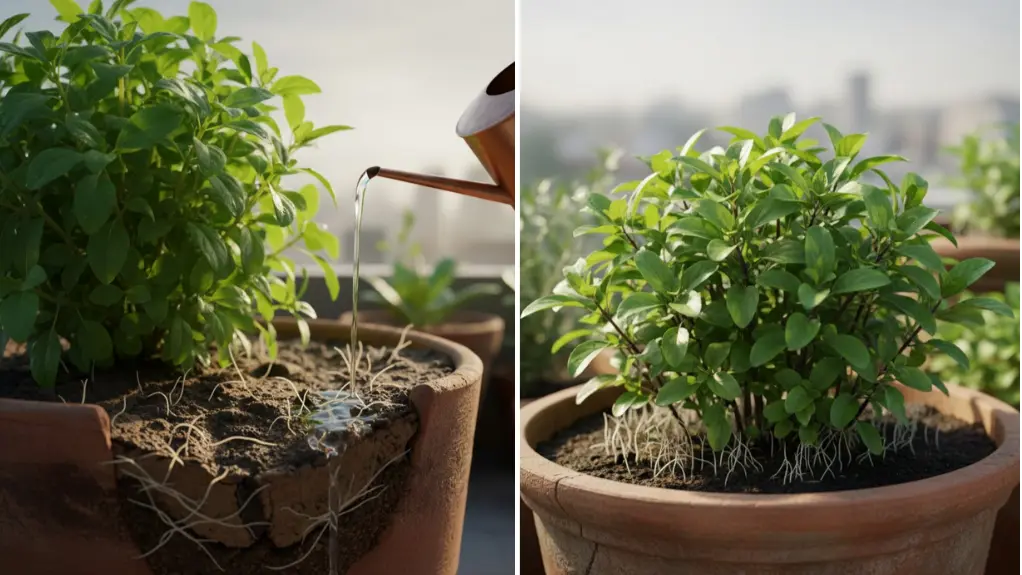
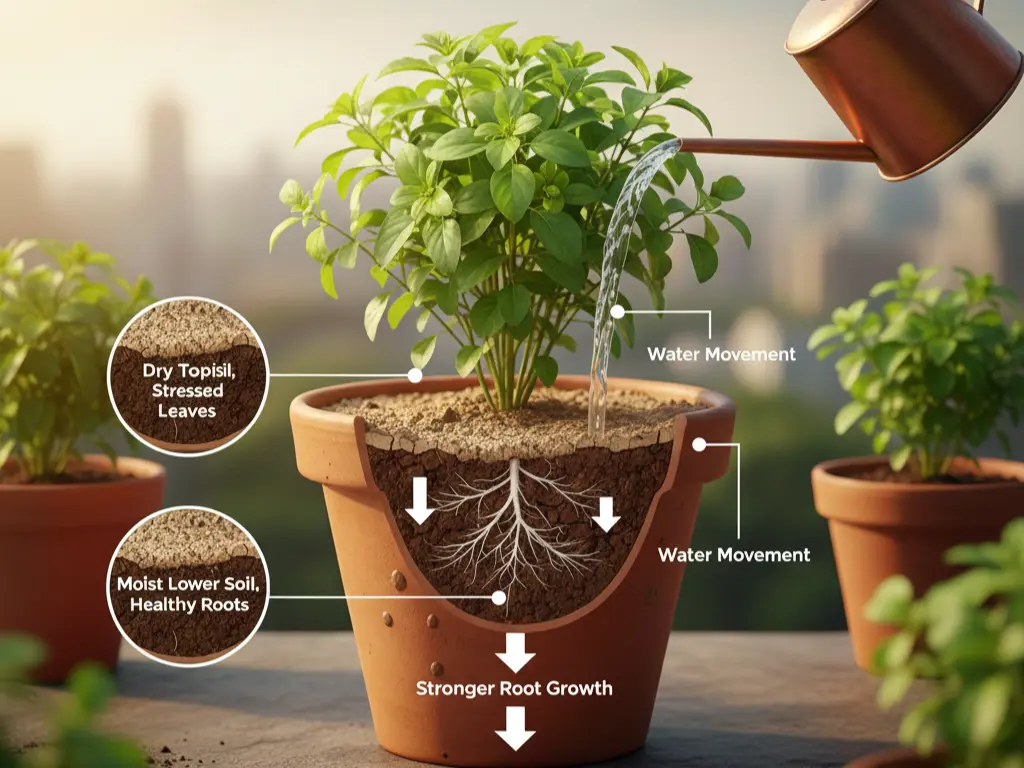
The Stress-Watering Technique is a controlled watering method where the plant is slightly stressed by reducing water at certain intervals. This stress encourages the Tulsi plant to strengthen its roots and develop denser foliage.
Why It Works
- Root Strengthening: Slight water stress signals the plant to grow deeper and stronger roots.
- Bushier Foliage: Stress triggers more branching, resulting in a fuller, bushier appearance.
- Healthier Growth: The plant becomes more resilient to pests and environmental changes.
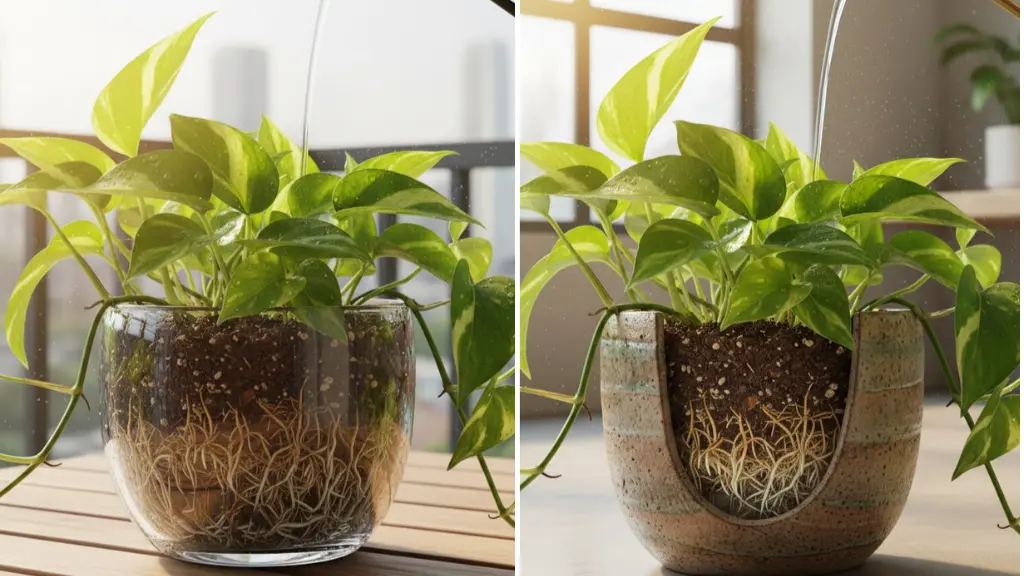
Step-by-Step Guide to Growing Tulsi Using Stress-Watering
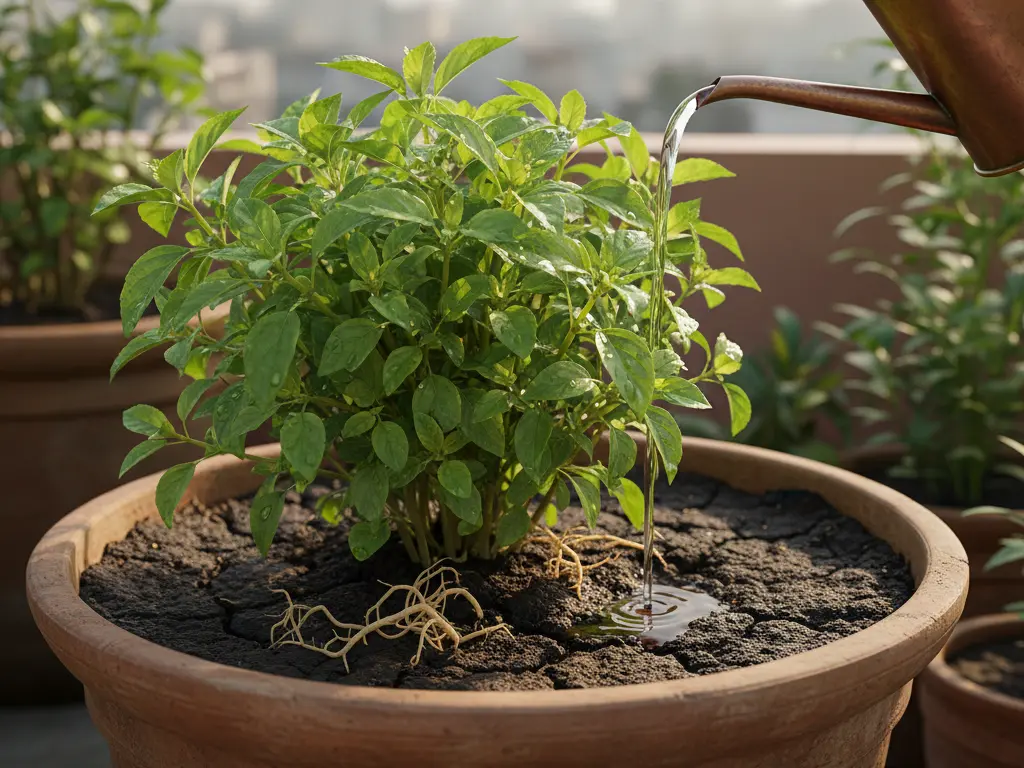
1. Choosing the Right Tulsi Variety
Not all Tulsi varieties respond equally well to stress-watering. The most effective varieties for bushy growth are:
- Rama Tulsi – Strong stems and vibrant leaves.
- Krishna Tulsi – Dark green leaves, ideal for pot gardening.
- Vana Tulsi – Hardy and grows bushy easily.
2. Preparing the Soil and Pot
- Use a well-draining soil mix with compost or cocopeat.
- Ensure the pot has adequate drainage holes to prevent waterlogging.
- Optimal pot size: 8–12 inches for medium growth, larger for mature plants.
3. Implementing the Stress-Watering Technique
- Water Tulsi thoroughly initially.
- Allow the top 1–2 inches of soil to dry completely before the next watering.
- Avoid letting the plant wilt excessively; slight drooping is normal.
- Water deeply but less frequently compared to regular watering schedules.
4. Fertilisation Tips
- Use organic fertilisers like vermicompost or liquid manure.
- Apply fertiliser every 3–4 weeks during active growth.
- Avoid over-fertilising, as stress-watering already promotes growth.
5. Pruning for Bushier Growth
- Pinch off top shoots regularly to encourage branching.
- Remove yellowing or dead leaves to focus energy on healthy growth.
- Prune during morning hours for minimal stress to the plant.
Common Mistakes to Avoid
- Overwatering: Defeats the purpose of stress-watering.
- Heavy, non-draining soil: Leads to root rot.
- Ignoring extreme stress signs: If leaves turn brown or dry, adjust watering immediately.
Results and Observations
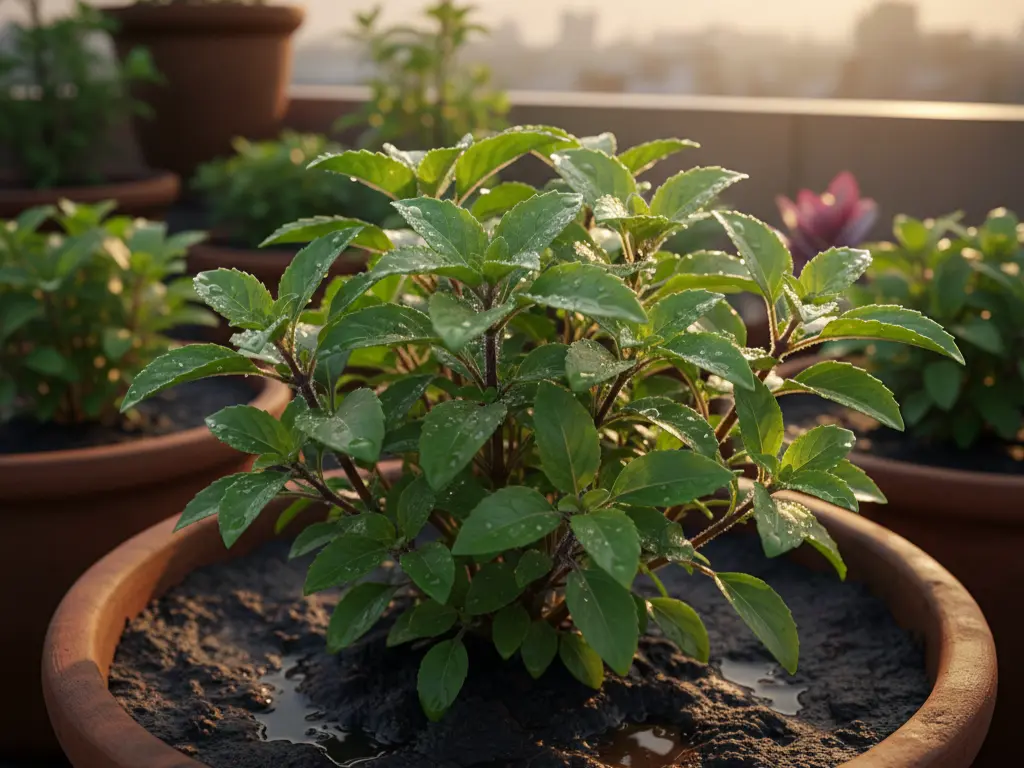
After using the Stress-Watering Technique for a few weeks, my Tulsi plant showed:
- Significantly bushier growth than before.
- Stronger stems that supported heavier leaves.
- Healthier and more resilient foliage, even under hot conditions.
Compared to regular watering, this technique clearly gave the plant a natural boost, creating a fuller and more attractive Tulsi bush.
Conclusion
The Stress-Watering Technique is a simple yet effective method for growing bushy and healthy Tulsi. By slightly stressing your plant, you can encourage deeper roots, denser foliage, and stronger overall growth.
Try this method with your Tulsi plants and witness the transformation yourself. With the right soil, proper pruning, and controlled watering, your Tulsi will not only survive but thrive!