If you’re looking for a dramatic flowering climber that instantly adds a tropical, luxury feel to your garden, Thunbergia Mysorensis (Clock Vine) is the perfect choice. Many gardeners struggle to find a vine that is both ornamental and long-flowering, but this rare beauty solves that problem beautifully. With its cascading chains of exotic blooms, it’s ideal for pergolas, balconies, arches, and large terraces—bringing colour, elegance, and life to any outdoor space.
What is Thunbergia Mysorensis (Clock Vine)?
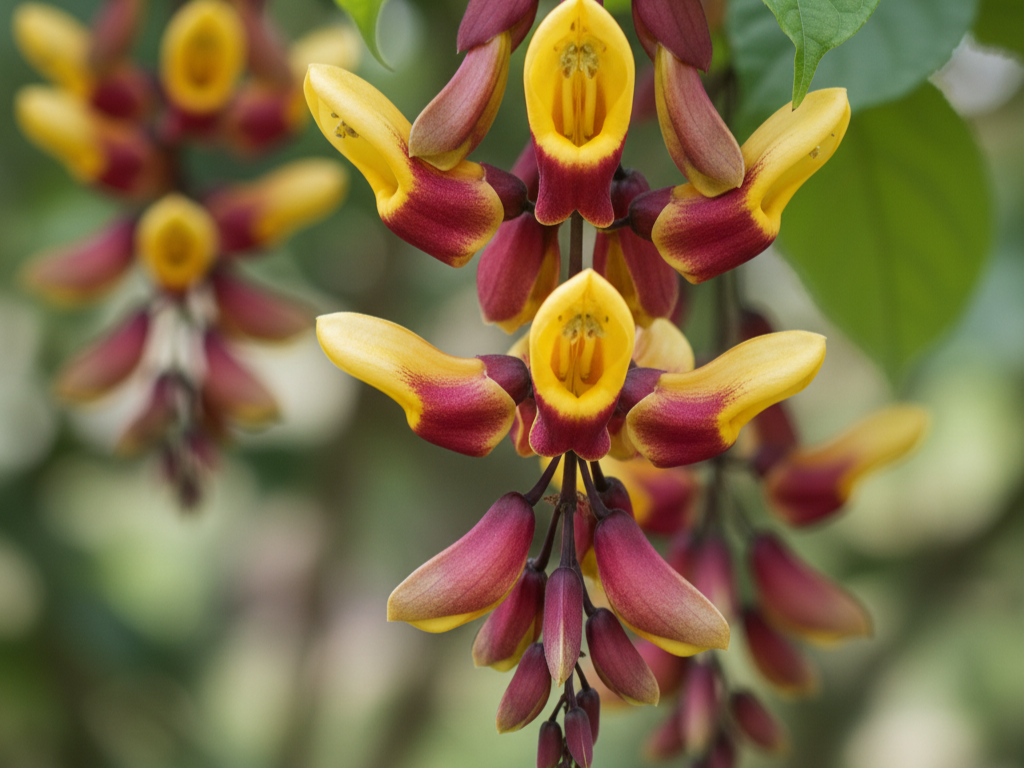
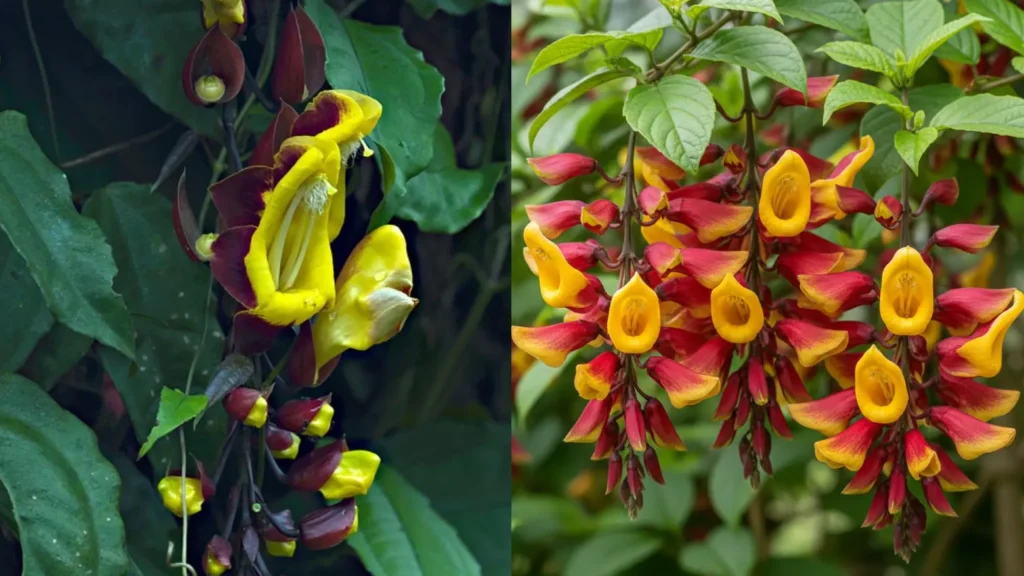
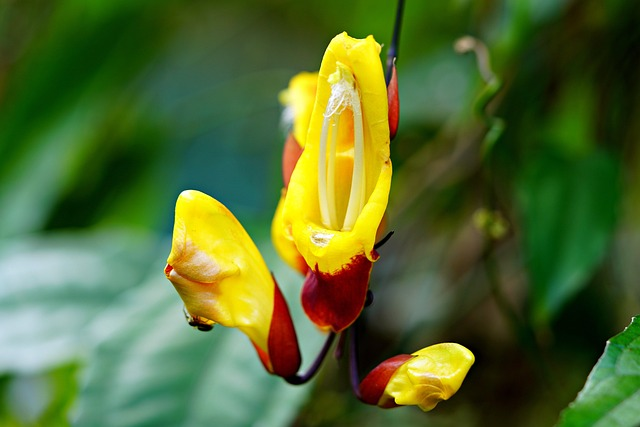
Thunbergia Mysorensis, commonly known as Clock Vine or Mysore Clock Vine, is a spectacular tropical climber native to southern India. It is famous for its pendant-like flower clusters, where each bloom looks like a small clock face—hence the name.
This vine is not just about beauty. It’s also fast-growing in warm climates, attracts birds and pollinators, and works wonderfully as a natural shade provider when trained over structures.
Why Thunbergia Mysorensis (Clock Vine) Is So Special
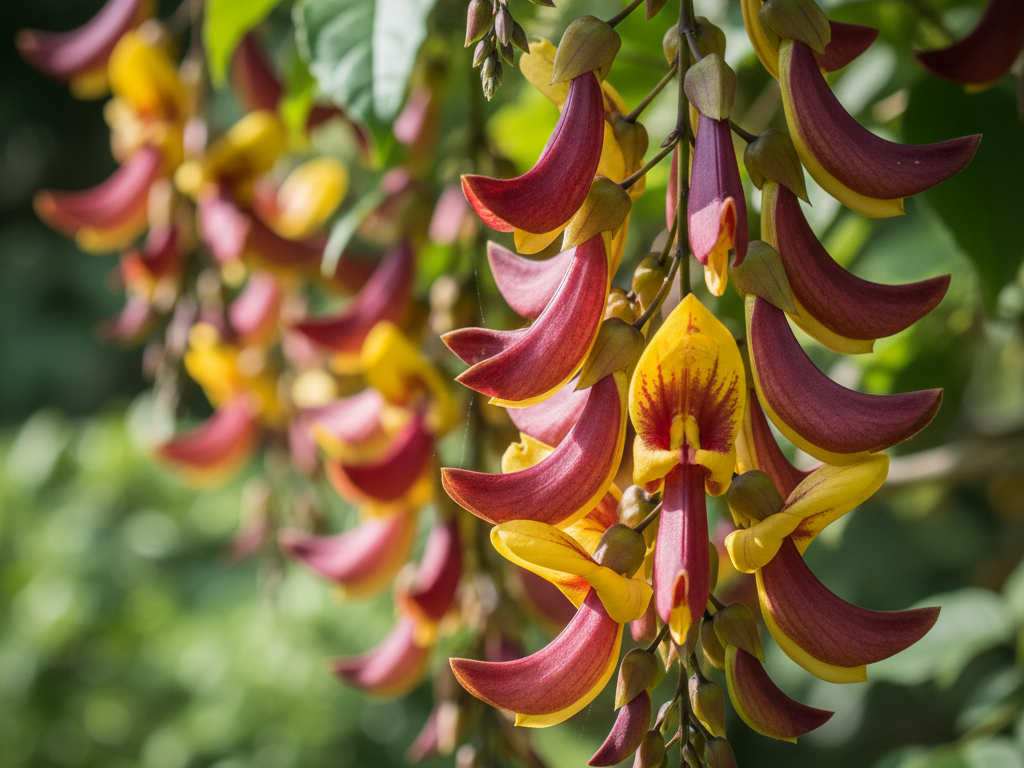
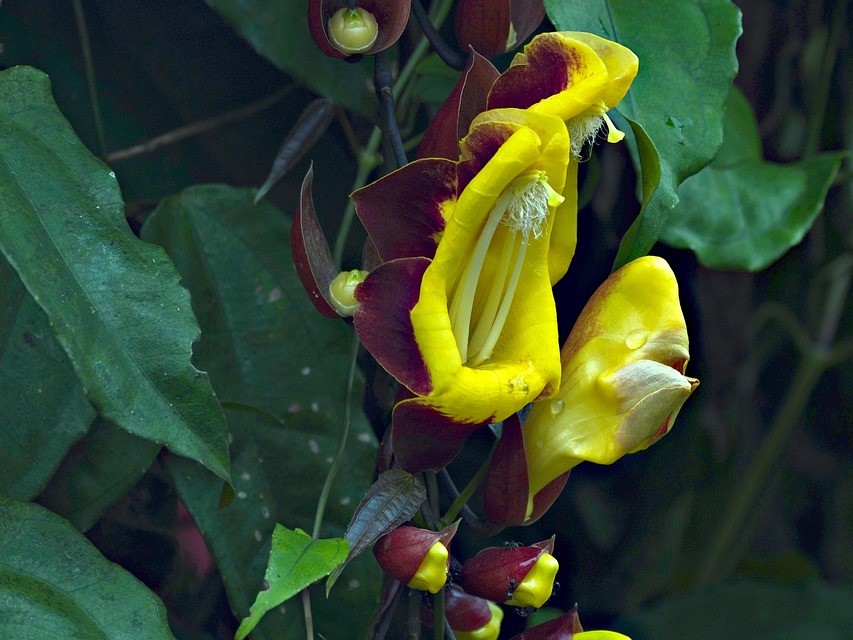
Unlike common climbers, Thunbergia Mysorensis grows downward-hanging flowers, creating a waterfall effect that few plants can match. Its maroon, yellow, and reddish-orange flowers bloom in long chains, making it a favourite among landscape designers and exotic plant collectors.
Why It’s Unique
This vine combines fast growth, rare flower structure, and long blooming seasons, making it one of the most visually striking climbers for tropical and subtropical gardens.
How to Grow Thunbergia Mysorensis (Clock Vine) Successfully
Sunlight Requirement
- Full sun to partial shade is ideal.
- For best flowering, ensure at least 5–6 hours of direct sunlight daily.
- In extremely hot regions, light afternoon shade prevents leaf scorching.
Actionable Tip:
If growing on a balcony, place it where it receives morning sun and filtered afternoon light.
Watering Needs
- Water regularly but moderately.
- Keep the soil consistently moist, especially during the growing season.
- Avoid waterlogging, as it can lead to root rot.
Actionable Tip:
During summer, water 3–4 times a week; in winter, reduce frequency but don’t let the soil dry completely.
Soil Type
- Prefers well-draining, nutrient-rich soil.
- A mix of garden soil, compost, and sand works best.
- Slightly acidic to neutral pH encourages healthy growth.
Actionable Tip:
Add vermicompost or aged cow dung every 30–40 days for vigorous flowering.
Seasonal Care
- Spring & Summer: Active growth and flowering period—feed and water well.
- Monsoon: Growth accelerates; ensure strong support structures.
- Winter: Growth slows; reduce watering and protect from frost.
Actionable Tip:
In colder regions, grow Thunbergia Mysorensis in large containers so it can be moved indoors during extreme winters.
Pruning & Training
- Light pruning after flowering keeps the plant tidy.
- Train the vine on pergolas, arches, or strong trellises.
- Remove dead or weak stems to encourage fresh growth.
Pro Advice:
Always guide young shoots early—once mature, the vine becomes woody and harder to reshape.
Propagation of Thunbergia Mysorensis (Clock Vine)
Clock Vine is usually propagated through semi-hardwood cuttings.
- Take a healthy cutting with at least 2–3 nodes.
- Dip in rooting hormone for faster results.
- Plant in moist, well-draining soil and keep in partial shade.
Quick Tip:
Propagation is best done in late spring or early monsoon for higher success rates.
Flowering Pattern & Bloom Time
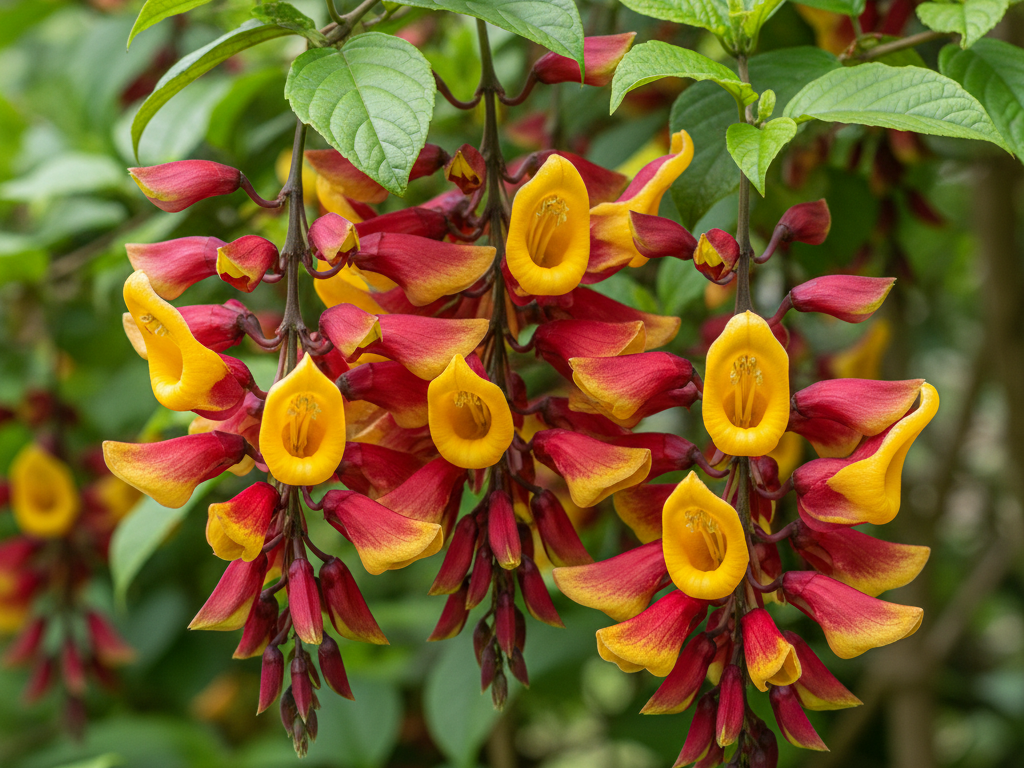
One of the biggest attractions of Thunbergia Mysorensis (Clock Vine) is its long blooming season.
- Blooms typically appear from late winter to early summer.
- Each flower cluster can hang up to 30–45 cm long.
- Mature plants produce dozens of cascading blooms at once.
This makes it a favorite for Instagram-worthy gardens and Google Discover–friendly visuals.
Landscaping & Design Uses
Thunbergia Mysorensis is extremely versatile in garden design:
- Pergolas & Gazebos
- Balcony railings (large spaces only)
- Archways and entrances
- Compound walls
- Courtyard gardens
Its hanging flowers look especially stunning when viewed from below.
Benefits / Why Thunbergia Mysorensis (Clock Vine) Works So Well
Top Benefits
- Exotic visual appeal – rare, hanging flower chains
- Fast-growing climber in warm climates
- Attracts birds & pollinators, enhancing biodiversity
- Low maintenance once established
- Natural shade provider for patios and walkways
This combination of beauty and function makes it a smart long-term garden investment.
Common Problems & Solutions
Yellowing Leaves
- Cause: Overwatering or poor drainage
- Solution: Improve drainage and reduce watering frequency
No Flowers
- Cause: Insufficient sunlight or excess nitrogen
- Solution: Increase sun exposure and switch to a phosphorus-rich fertilizer
Pests
- Generally pest-resistant
- Occasionally affected by aphids or spider mites
- Treat with neem oil spray every 10–15 days if needed
Is Thunbergia Mysorensis Suitable for Indian Climate?
Yes—Thunbergia Mysorensis (Clock Vine) thrives exceptionally well in Indian tropical and subtropical climates. It performs best in regions with mild winters and warm summers, making it ideal for most parts of India except extremely cold hill stations.
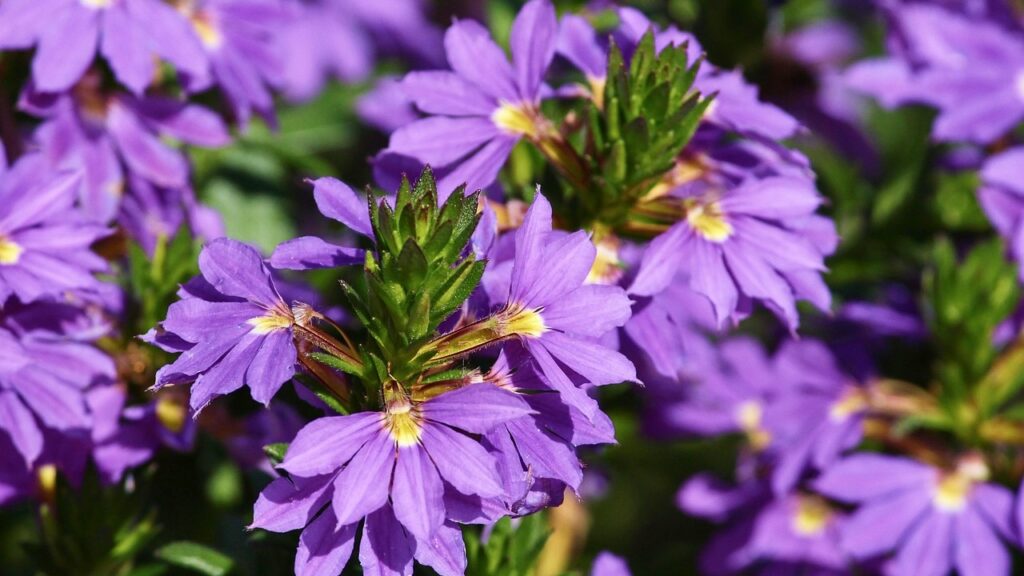
Scaevola (Fan Flower): The Easy Growing & Care Guide Behind Its Viral, Always-Blooming Look!”
Conclusion:
If you want a plant that delivers luxury looks, rare flowers, and long-lasting impact, Thunbergia Mysorensis (Clock Vine) is an outstanding choice. With the right sunlight, support, and basic care, this vine will reward you with breathtaking blooms year after year.
🌿 Which climber will you plant first—Clock Vine or another flowering vine? Tell us in the comments below!