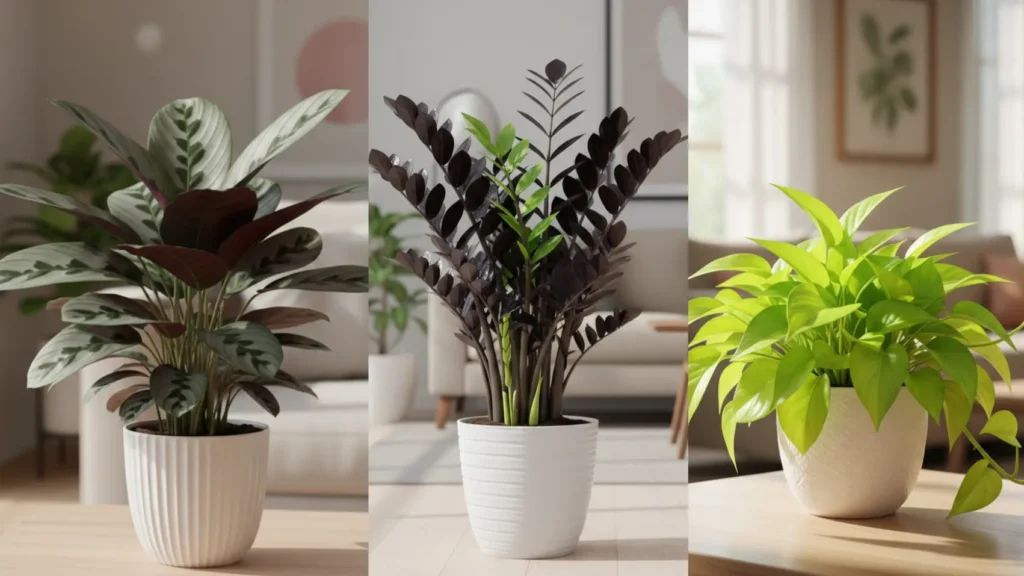
Indoor air may look clean, but harmful chemicals like VOCs (Volatile Organic Compounds) from paints, furniture, flooring, adhesives, cleaning sprays, and plastics silently build up over time—affecting your breathing, mood, sleep, and overall health. The good news? You don’t need expensive electronic purifiers to fix it. With these 8 Powerful Indoor Plants That Absorb Harmful VOCs, you can naturally detox your home, refresh the air, and enjoy a healthier, safer living space 24/7.
In this guide, we explore 8 plants that absorb harmful VOCs better than indoor purifiers, along with their benefits and complete care instructions so you can make your home cleaner, greener, and healthier.
1. Red-Edged Dracaena ‘Tricolour’
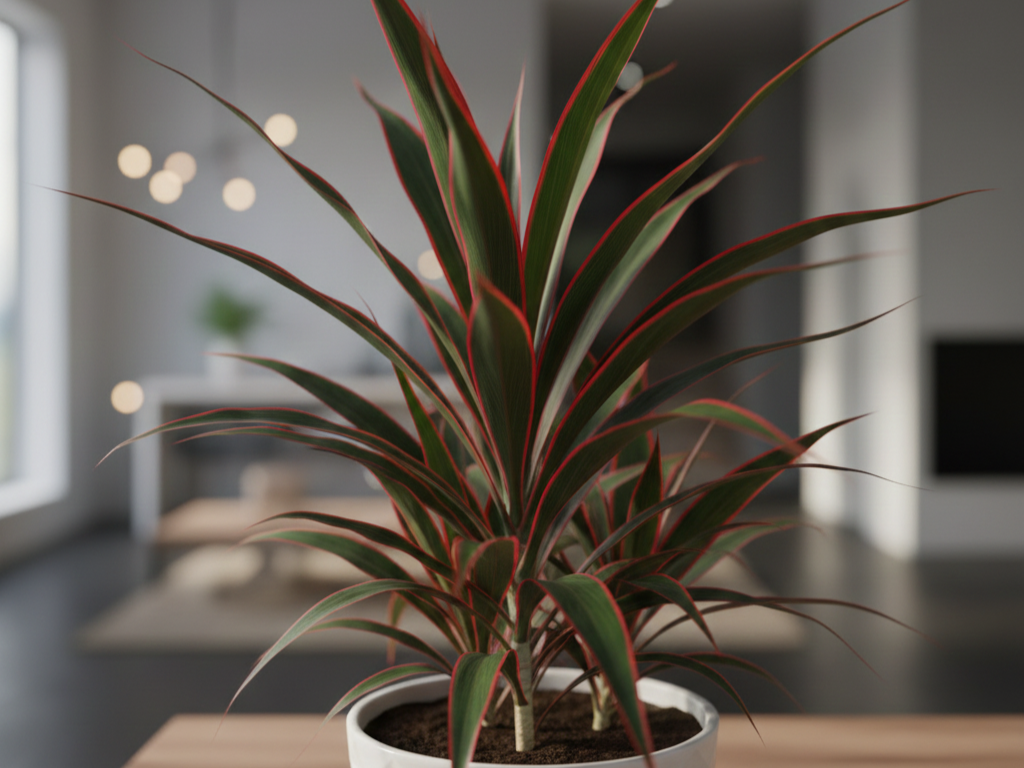
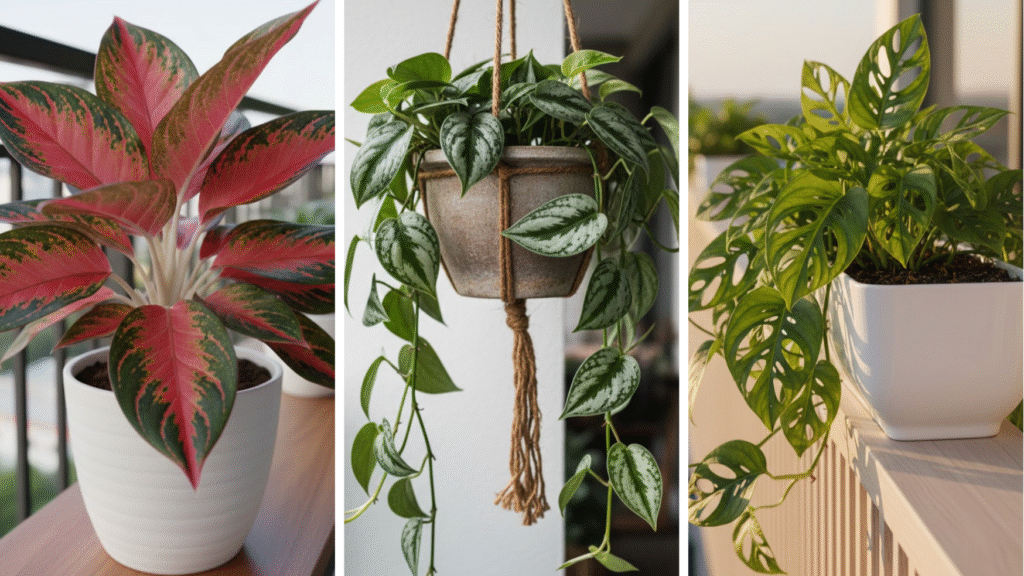
The Red-Edged Dracaena ‘Tricolour’ is a striking indoor plant known for its bold pink-red leaf margins and impressive VOC-absorbing qualities. It naturally removes benzene, xylene, formaldehyde, and other chemical fumes released by synthetic furniture, paints, and appliances. Its upright structure and colourful tones also add height and elegance to modern interiors.
Why It’s Special
Beautiful variegation, tough nature, and strong purification capacity make it a perfect statement plant for living rooms and workspaces.
Key Features & Care Tips
- Sunlight:
Bright, indirect light maintains rich colour; avoid harsh direct sun to prevent leaf burn. - Watering:
Water when the top 2 inches of soil feel dry. Overwatering can cause root rot. - Soil Type:
Light, loose, well-draining potting mix with perlite or sand for aeration. - Seasonal Care:
Reduce watering in winter; wipe leaves regularly to maximise toxin absorption. - Pro Tip:
Rotate the pot weekly for uniform growth and balanced colour.
2. Fan Palm (Licuala ramsayi)
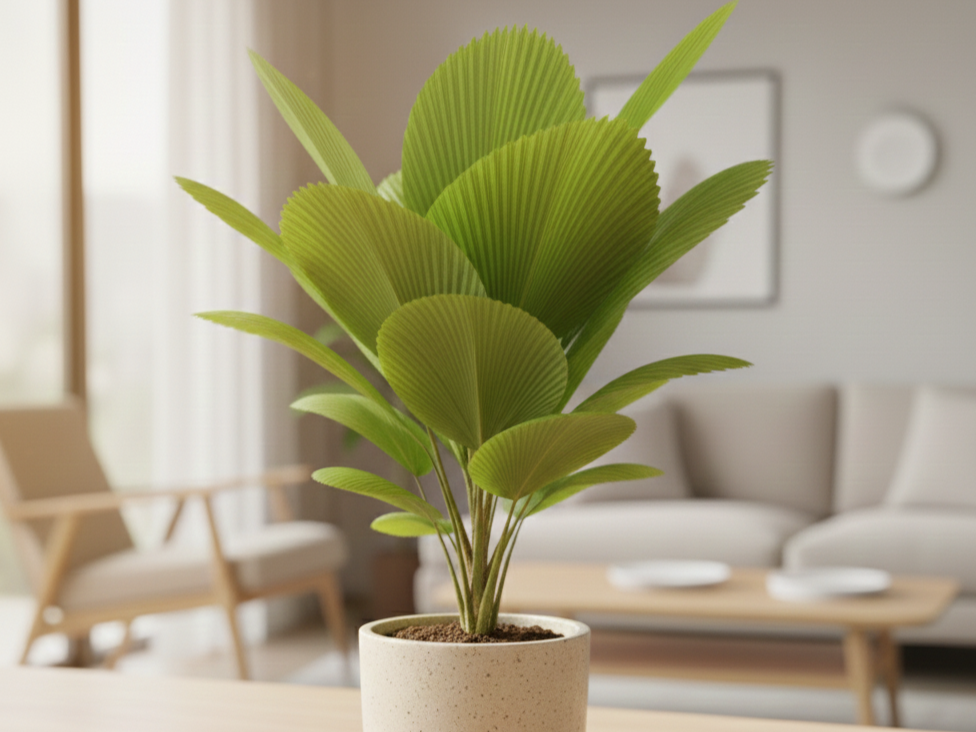
This elegant palm has lush, circular, fan-shaped leaves that create a tropical statement indoors. Beyond aesthetics, the Fan Palm is excellent at absorbing airborne chemicals released from new furniture, flooring, and household products. It thrives in bright indoor conditions and brings a refreshing rainforest vibe to any corner.
Why It’s Special
Its broad leaf surface area makes it naturally efficient at filtering polluted indoor air, while adding a calm, luxurious touch to any room.
Key Features & Care Tips
- Sunlight:
Prefers bright, filtered light; avoid strong midday sun. - Watering:
Keep the soil evenly moist—neither soggy nor bone dry. - Soil Type:
Rich, well-draining soil mixed with compost or cocopeat. - Seasonal Care:
Mist occasionally in dry weather; keep away from cold drafts. - Pro Tip:
Ideal for entryways and living rooms where air circulation is lower.
3. Neon Pothos
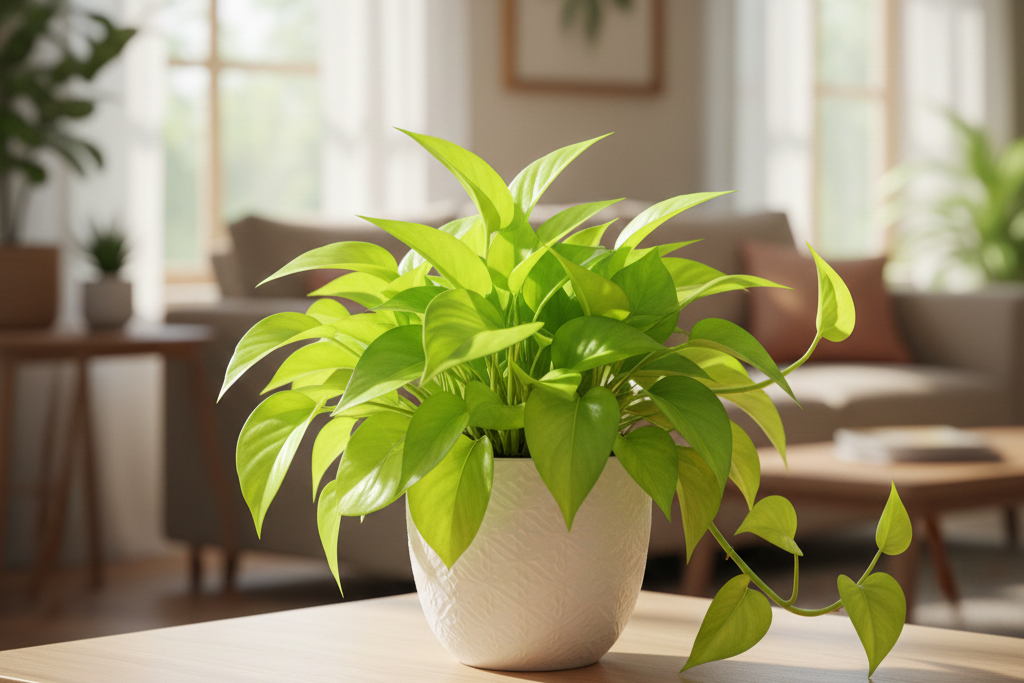
Neon Pothos is known for its vibrant lime-green leaves and is one of the easiest indoor plants for beginners. It is especially good at removing formaldehyde and benzene released from household detergents, carpets, and laminates. The brighter its environment, the more neon and striking the leaves look.
Why It’s Special
Low maintenance, fast-growing, and visually bold—perfect for shelves, tabletops, or hanging baskets.
Key Features & Care Tips
- Sunlight:
Medium to bright indirect light keeps the neon colour bright. - Watering:
Water when the top 1–2 inches are dry. Never let the soil become soggy. - Soil Type:
Airy, well-draining potting mix with cocopeat or perlite. - Seasonal Care:
Prune long vines during winter; feed every 30 days in the growing season. - Pro Tip:
Train it on a moss pole for taller, fuller growth.
4. Ctenanthe ‘Grey Star’
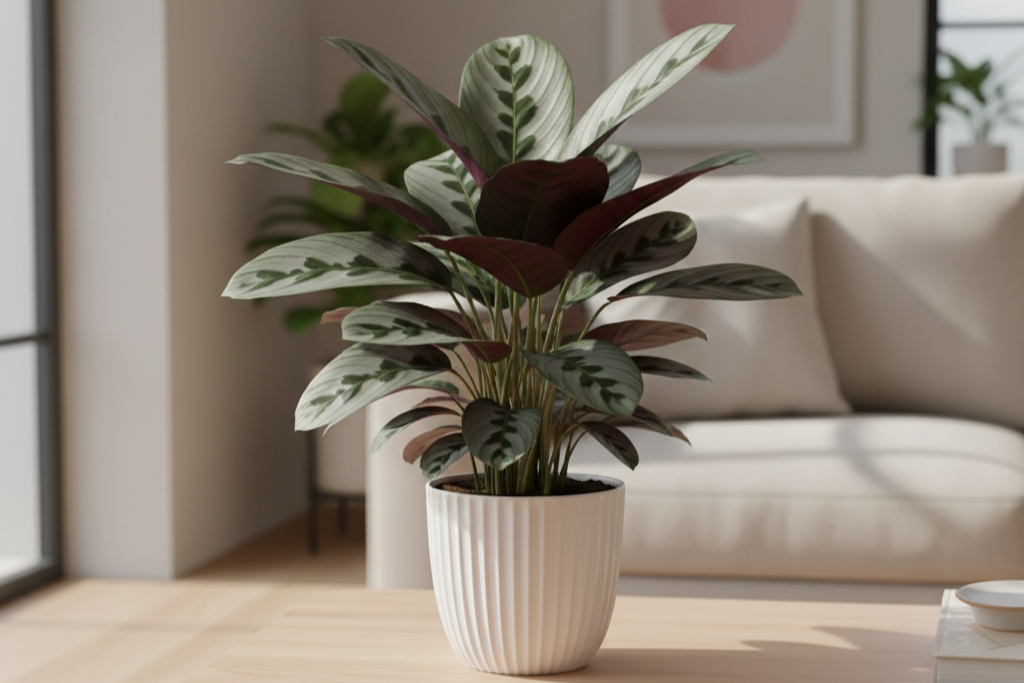
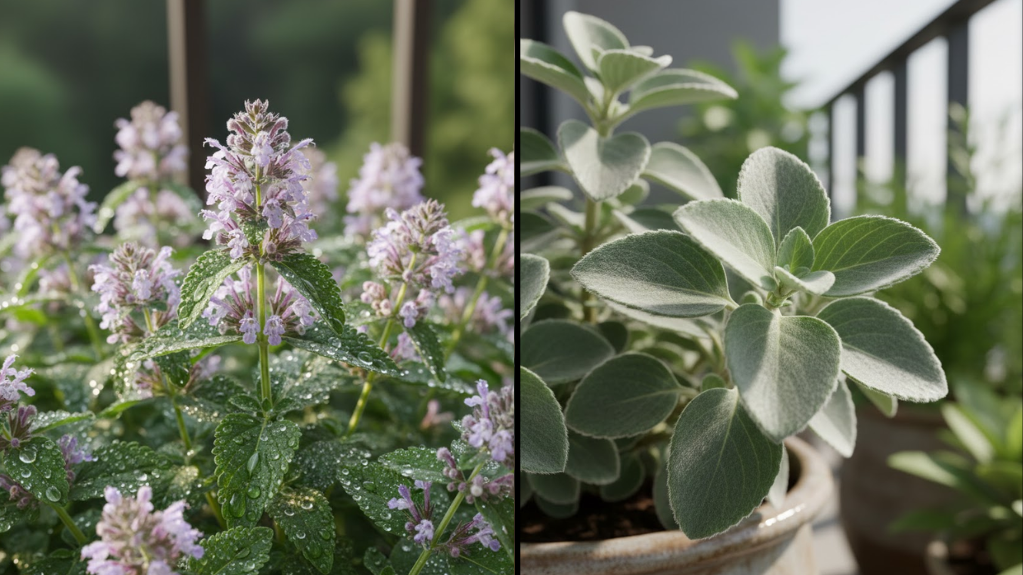
Ctenanthe ‘Grey Star’ is a stunning foliage plant with large, silver-grey leaves and soft green veins. It absorbs everyday household chemical fumes while thriving beautifully in lower-light conditions. It’s also pet-friendly, making it a great choice for plant lovers with cats or dogs.
Why It’s Special
Its cool-toned foliage adds a calming, modern aesthetic to interiors and stands out even in minimal décor settings.
Key Features & Care Tips
- Sunlight:
Prefers medium to low indirect light. - Watering:
Keep the soil consistently moist but not waterlogged. - Soil Type:
Rich, well-draining mix with cocopeat for moisture control. - Seasonal Care:
Avoid cold drafts; mist regularly to maintain humidity. - Pro Tip:
Use filtered or rainwater to prevent leaf spotting.
5. Parlor Palm (Chamaedorea elegans)
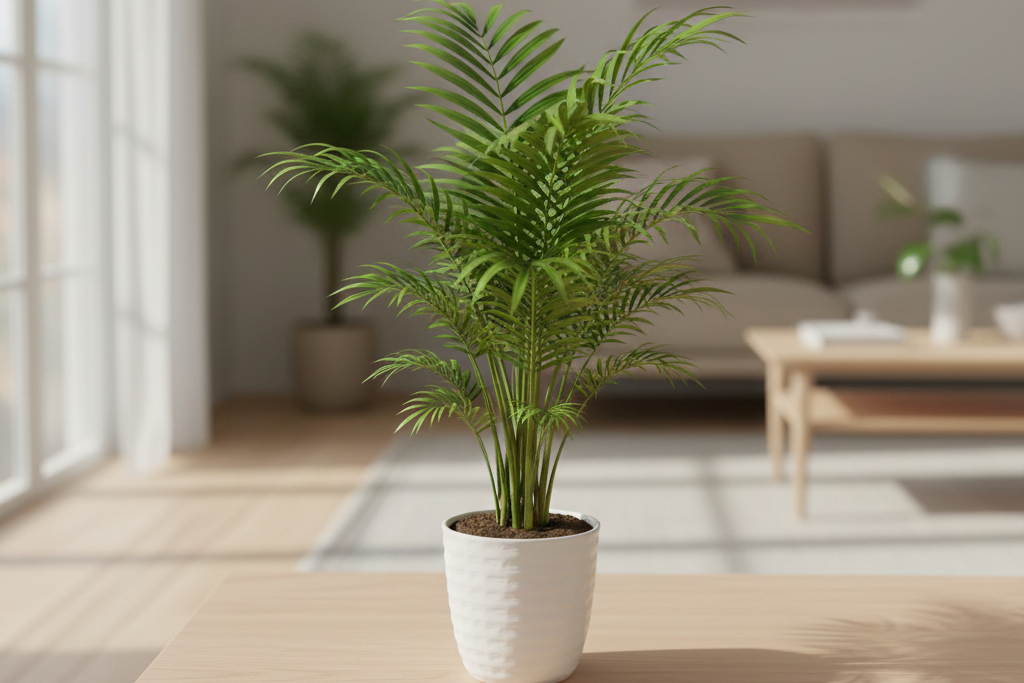
The Parlour Palm is a timeless indoor plant known for its air-purifying abilities and graceful, soft fronds. It effectively absorbs VOCs like benzene and trichloroethylene found in paints, cleaning sprays, and building materials. Compact and elegant, it suits bedrooms, living rooms, and workspaces alike.
Why It’s Special
One of the most beginner-friendly indoor palms—pet-safe, slow-growing, and highly adaptable.
Key Features & Care Tips
- Sunlight:
Thrives in medium to low light; ideal for corners with indirect brightness. - Watering:
Water when the topsoil is slightly dry. Avoid letting the pot sit in water. - Soil Type:
Moisture-retentive yet well-draining soil blend. - Seasonal Care:
Protect from cold drafts; trim brown tips for a neat look. - Pro Tip:
Group two or three palms together for better air purification.
6. Kangaroo Paw Fern
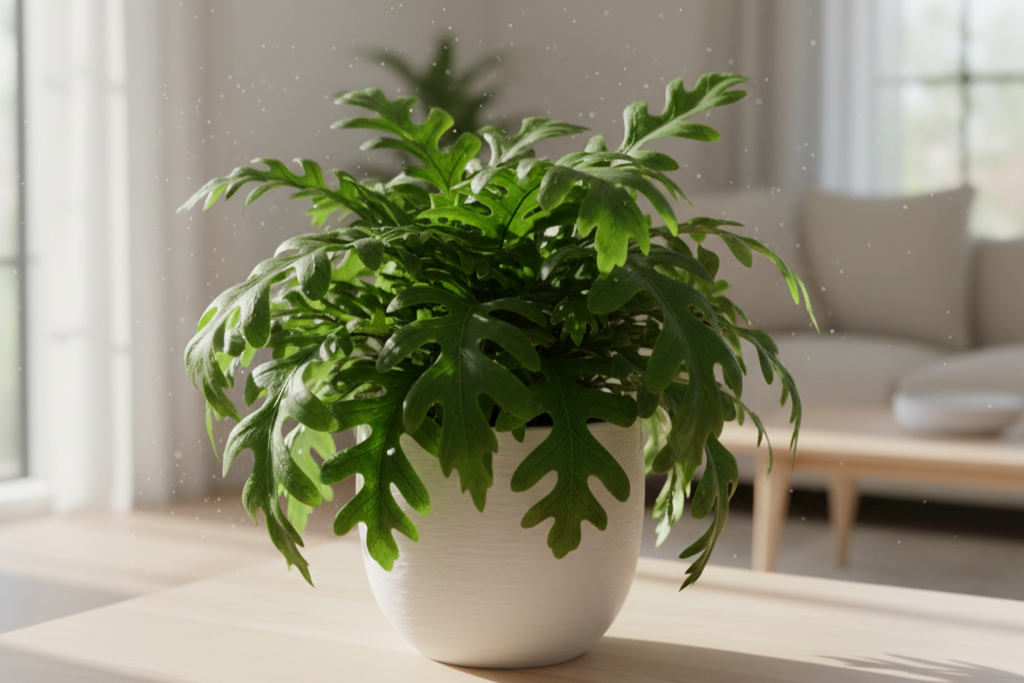
Kangaroo Paw Fern has uniquely shaped leaves resembling kangaroo paws and makes a quirky, eye-catching addition indoors. Its textured foliage helps trap dust and absorb chemical pollutants commonly found in modern homes. It thrives in humid spaces and is especially useful in bathrooms and kitchens.
Why It’s Special
Its unusual leaf structure makes it both decorative and highly efficient at cleansing indoor air.
Key Features & Care Tips
- Sunlight:
Prefers bright, indirect light but can tolerate semi-shade. - Watering:
Keep soil lightly moist; allow the top layer to dry slightly between watering. - Soil Type:
Loose, aerated mix with bark and peat—fern-friendly medium. - Seasonal Care:
Needs higher humidity in dry months; mist regularly. - Pro Tip:
Perfect plant for bathrooms due to natural humidity.
7. Raven ZZ Plant
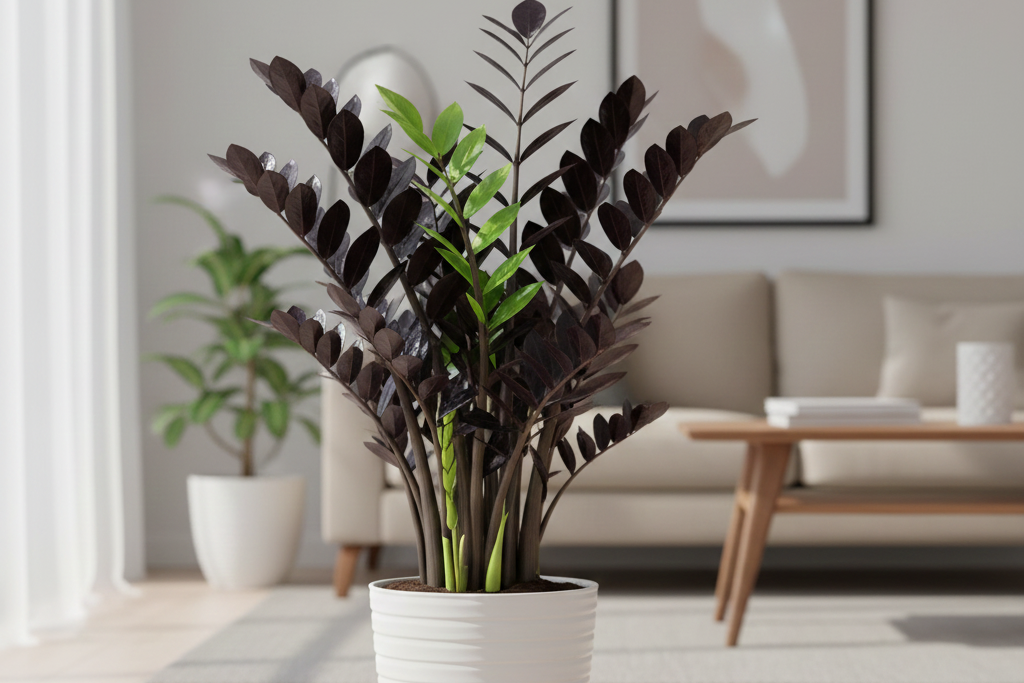
The Raven ZZ Plant features glossy, deep-black leaves that add a dramatic, premium look to indoor spaces. It is incredibly tough and drought-tolerant, while being effective at removing VOCs such as toluene, benzene, and airborne chemicals from household products.
Why It’s Special
Low maintenance + rare black foliage = a high-impact indoor plant with strong detox abilities.
Key Features & Care Tips
- Sunlight:
Low to medium indirect light; very tolerant of low-light rooms. - Watering:
Let the soil dry completely before watering. Overwatering is the only way to harm it. - Soil Type:
Fast-draining mix with pumice or perlite. - Seasonal Care:
Water sparingly in winter; clean leaves monthly for maximum purification. - Pro Tip:
Ideal for busy people—one of the hardest plants to kill.
8. Peperomia Hope (Peperomia tetraphylla ‘Hope’)
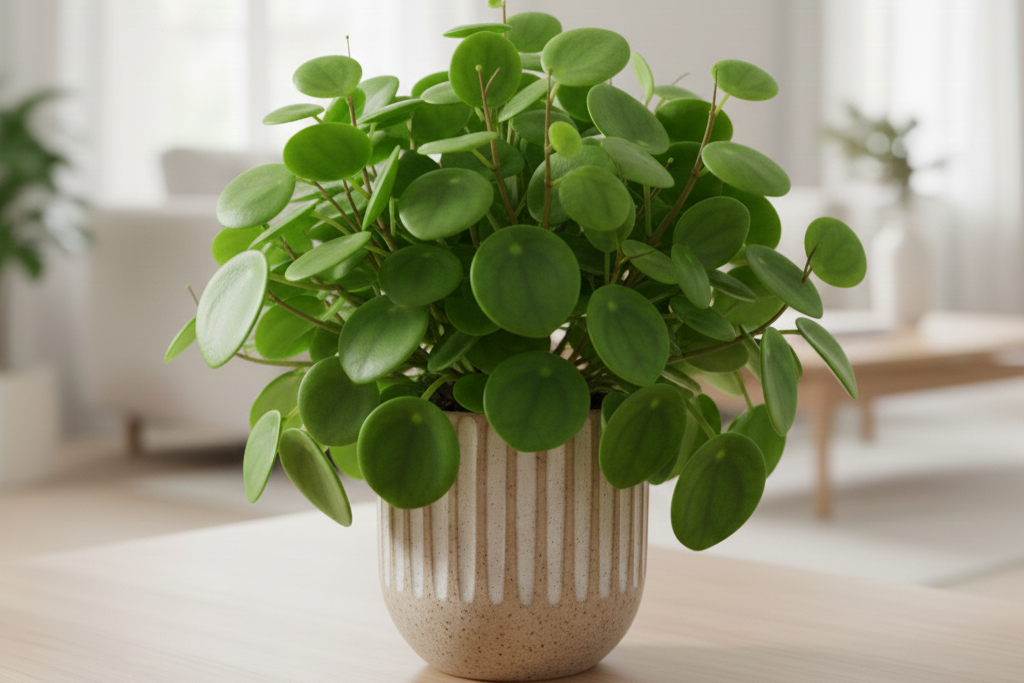
Peperomia Hope is a compact indoor trailing plant known for its thick, succulent-like leaves that effectively absorb harmful VOCs such as formaldehyde, xylene, and chemical fumes released from furniture and household cleaners. Its small size, slow growth, and soft, rounded foliage make it an ideal air-purifying plant for modern homes and small spaces.
Why It’s Special
Its cute coin-shaped leaves, minimal watering needs, and natural ability to filter indoor pollutants make it both a stylish décor plant and a functional indoor purifier.
Key Features & Care Tips
- Sunlight:
Bright to medium indirect light; avoid harsh direct sunlight to prevent leaf burn. - Watering:
Water lightly and allow at least half of the soil to dry between every watering cycle. - Soil Type:
Airy, fast-draining mix (cocopeat + perlite + orchid bark) that prevents moisture buildup. - Seasonal Care:
Keep warm during winter; rotate the pot every few weeks for even, fuller growth. - Pro Tip:
Grow in a small ceramic or hanging pot—its gentle cascading stems look premium and stay compact.
Why These Plants Work Better Than Indoor Purifiers
1. Natural VOC Breakdown
These plants convert VOCs into plant nutrients, reducing indoor toxins more sustainably than filters.
2. Continuous Purification
No electricity, no noise—just 24/7 natural filtration.
3. Better Oxygen & Humidity Levels
Help improve breathing, reduce dryness, and create a fresher indoor environment.
4. Aesthetic + Stress Reduction
Attractive foliage lifts mood, reduces fatigue, and enhances décor.
5. Perfect for Modern Homes
They fit beautifully into contemporary interiors—minimalist, modern, boho, or classic.
Conclusion
Indoor air pollution is more common than we realise—but the solution is simple, natural, and beautiful. These 8 plants, which absorb harmful VOCs more effectively than indoor purifiers, can dramatically improve the air quality you breathe while enhancing the look and feel of your home.
Which one will you try first? Share your pick or ask for a care guide anytime!