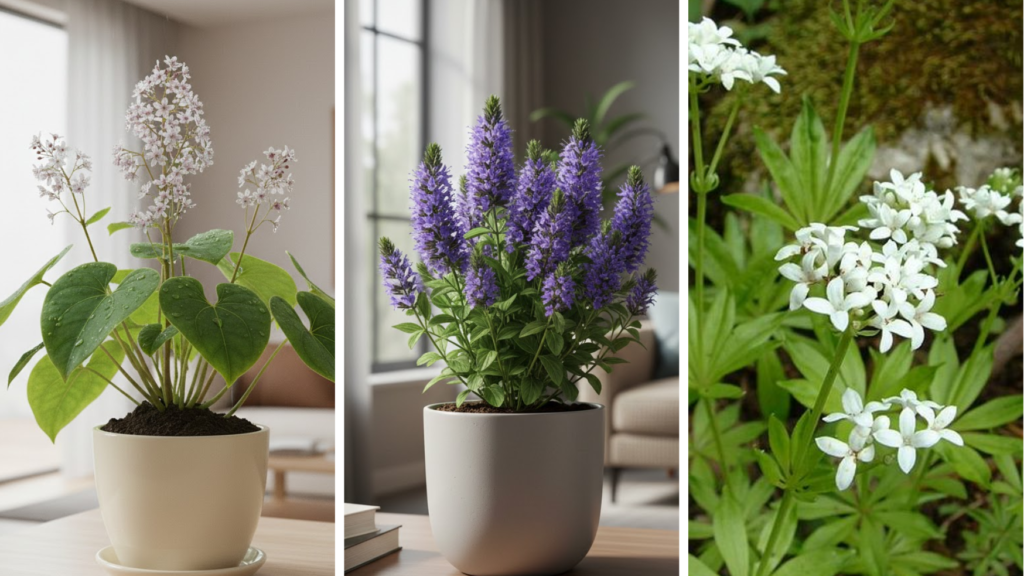
If you love growing fragrant plants, you’ll be surprised to know that some of the world’s oldest aroma plants are so rare that even historians barely mention them. Yet these forgotten ancient species grow beautifully in small modern spaces — especially balconies. In this guide, we explore 8 ancient aroma plants so rare that even historians overlook them — yet they grow perfectly on balconies, along with their benefits, care tips, and why they’re ideal for today’s gardeners.
1. Hyssop (Hyssopus officinalis) — The Sacred Herb of Early Civilisations
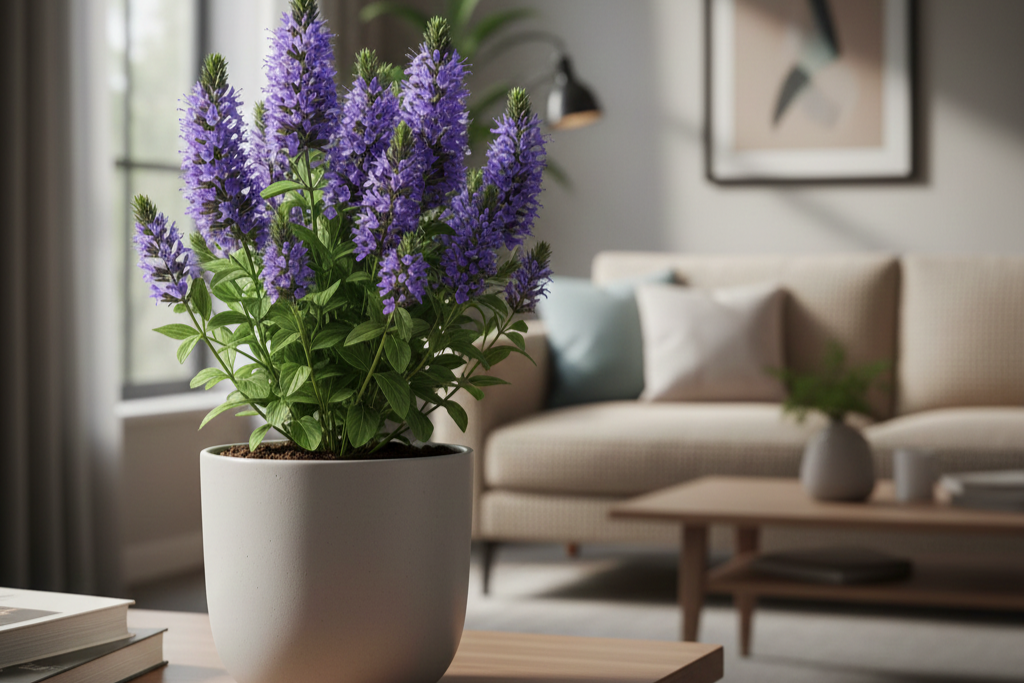
Hyssop has been mentioned in ancient writings for thousands of years, yet its true aromatic potential is still underrated. Ancient Egyptians used it in purification rituals, while Greeks relied on it for medicinal fragrances. Despite its historic importance, it remains surprisingly overlooked today.
Why it’s special: This compact, beautifully scented plant is perfect for modern balconies. Its purple-blue flowers release a refreshing, slightly minty aroma that feels therapeutic in urban settings.
Key Features & Care Tips
- Sunlight: Prefers full sunlight (5–6 hours daily). Hyssop grows denser and more fragrant with strong light.
- Watering: Water moderately, allowing the topsoil to dry between sessions. Overwatering reduces aroma intensity.
- Soil Type: Well-draining, sandy or loamy soil. Add perlite for balcony pots to prevent waterlogging.
- Seasonal Care: Trim lightly in early spring to promote new aromatic growth. Protect from extreme winter frost.
Pro Tip: Harvest leaves early morning when aroma oils are strongest.
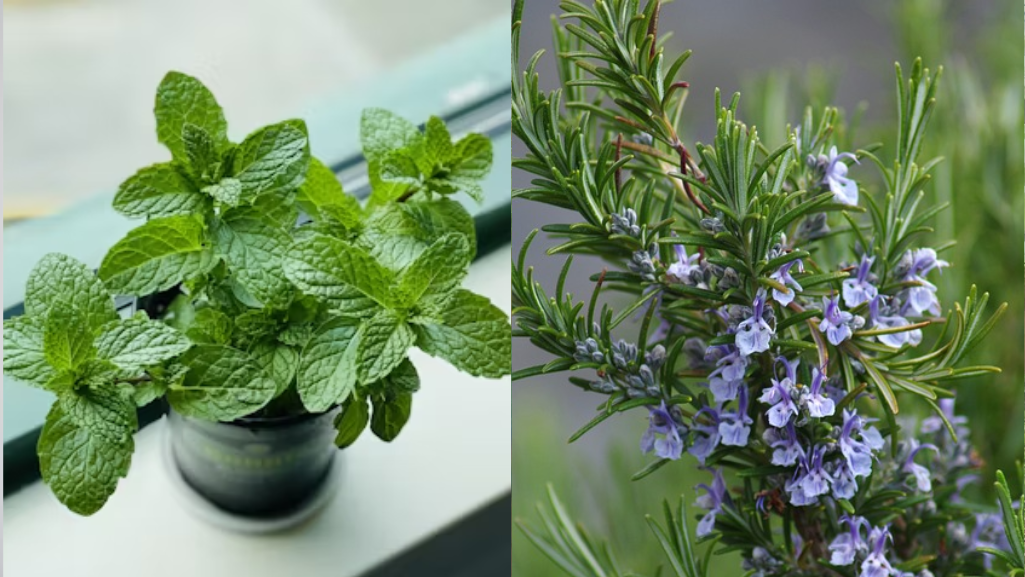
2. Costmary (Tanacetum balsamita) — The Forgotten “Bible Leaf
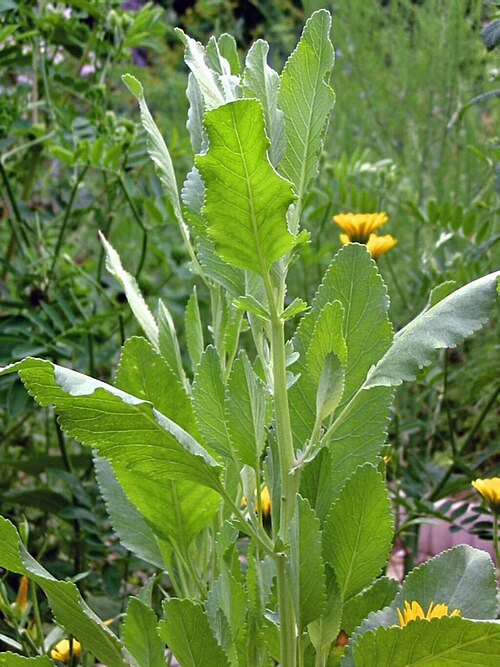
Costmary, once kept in ancient monastery gardens, was famous for its warm, balsamic aroma. Monks used its leaves as natural bookmarks because of their lingering fragrance. Today, it’s nearly forgotten — yet it grows effortlessly in containers.
Key Features & Care Tips
- Sunlight: Partial to full sun; the stronger the sunlight, the stronger the scent.
- Watering: Keep soil lightly moist but not soggy. Costmary dislikes standing water.
- Soil Type: Use a nutrient-rich potting mix with compost for the best aroma production.
- Seasonal Care: Divide and repot every 2 years to maintain leaf fragrance and prevent overcrowding.
Pro Tip: Rub mature leaves between fingers to release a sweet mint-lemon aroma
3. Marjoram (Origanum majorana) — The Ancient Aromatic Herb of Egyptians & Greeks
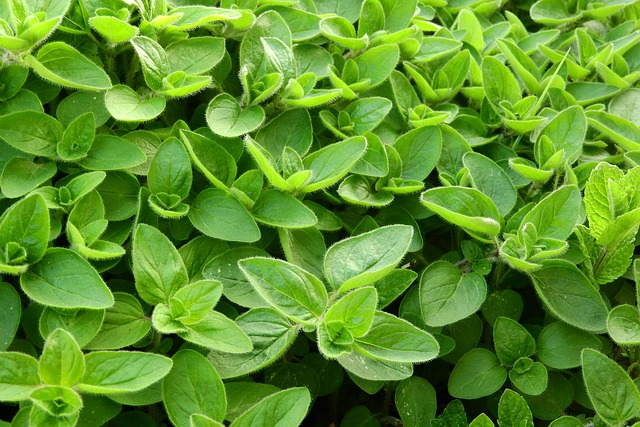
Marjoram has been treasured for thousands of years by ancient Egyptians and Greeks for its culinary, medicinal, and aromatic uses. Its sweet, warm scent made it a staple in ancient kitchens and healing rituals.
Why it’s special: Marjoram grows compactly in balcony pots, filling small spaces with a delightful fragrance that lifts the mood.
Key Features & Care Tips
- Sunlight: Prefers full sun to partial shade (5–6 hours daily).
- Watering: Water moderately; allow topsoil to dry slightly between waterings.
- Soil Type: Well-draining, loamy soil with a touch of compost.
- Seasonal Care: Trim after flowering to encourage fresh aromatic growth.
- Pro Tip: Crush leaves gently to release its sweet, warm aroma for teas or natural home fragrance.
4. Sweet Woodruff (Galium odoratum) — The Medieval Perfume Plant
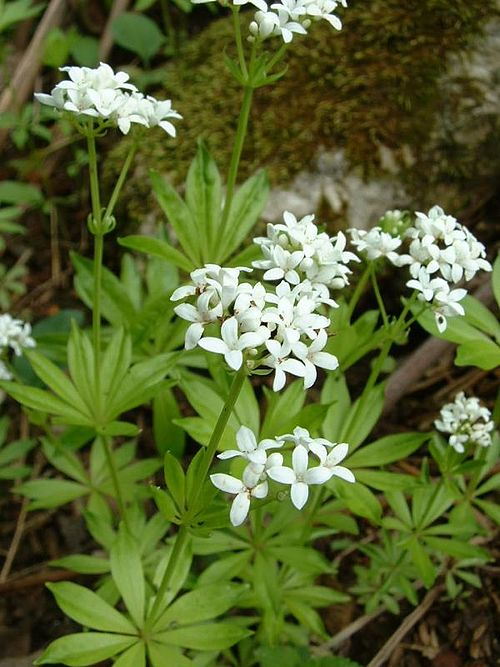
Sweet Woodruff was widely used in medieval Europe to flavour wines, create potpourris, and scent linens. Its delicate, sweet fragrance made it a beloved herb in royal and monastic gardens.
Why it’s special: This low-growing, fragrant plant thrives in balcony containers, adding a lush green carpet with an enchanting scent.
Key Features & Care Tips
- Sunlight: Prefers partial shade; avoid harsh afternoon sun.
- Watering: Keep soil lightly moist; do not let it dry out completely.
- Soil Type: Rich, humus-filled soil with good drainage.
- Seasonal Care: Cut back old growth in spring to maintain vigor.
- Pro Tip: Place near seating areas — its gentle aroma spreads easily when brushed or touched.
5. Spikenard (Nardostachys jatamansi) — The Royal Fragrance of Ancient India
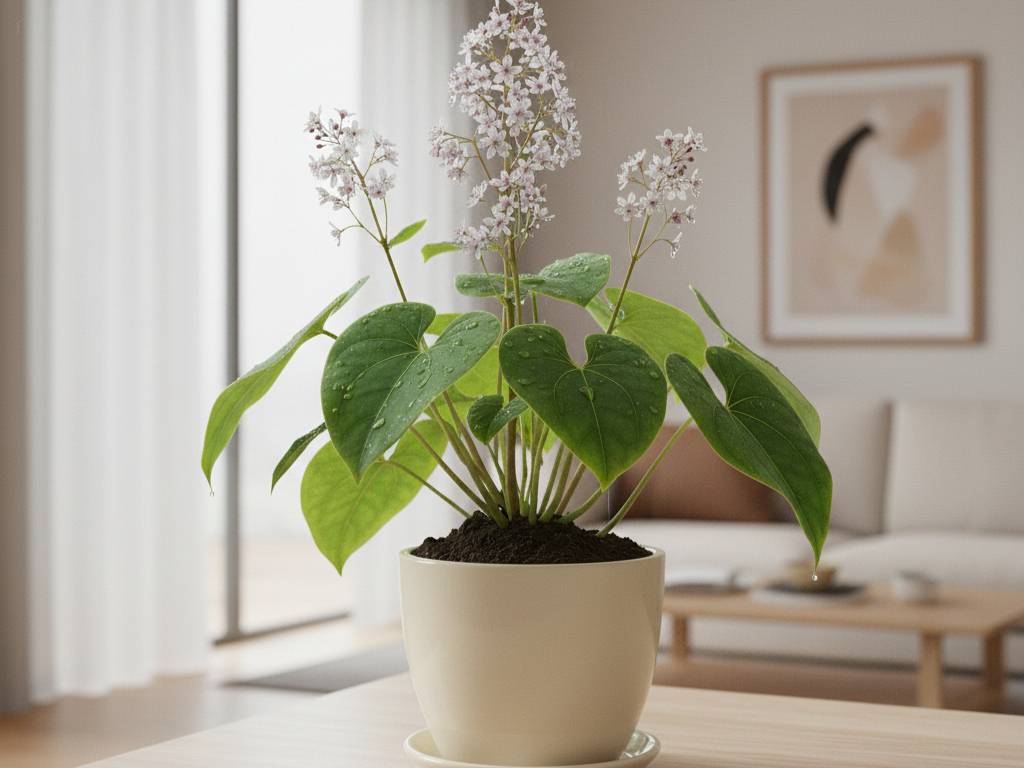
Spikenard was one of the costliest aromatic herbs in ancient civilisations. Egyptians, Roman perfumers, and Indian healers used its roots to create deep, earthy fragrances. Today, very few know it.
Why it’s special: Yet in shaded balconies, it grows beautifully when given the right soil and moisture.
Key Features & Care Tips
- Sunlight: Prefers partial shade; avoid direct hot afternoon sun.
- Watering: Requires slightly moist soil. Do not allow roots to dry completely.
- Soil Type: Rich, loamy soil mixed with leaf mould works best.
- Seasonal Care: Mulch during winter to protect roots.
Pro Tip: The dried roots emit a musky, sweet aroma ideal for natural home fragrance.
6. Rue (Ruta graveolens) — The Ancient Mediterranean Aroma Herb
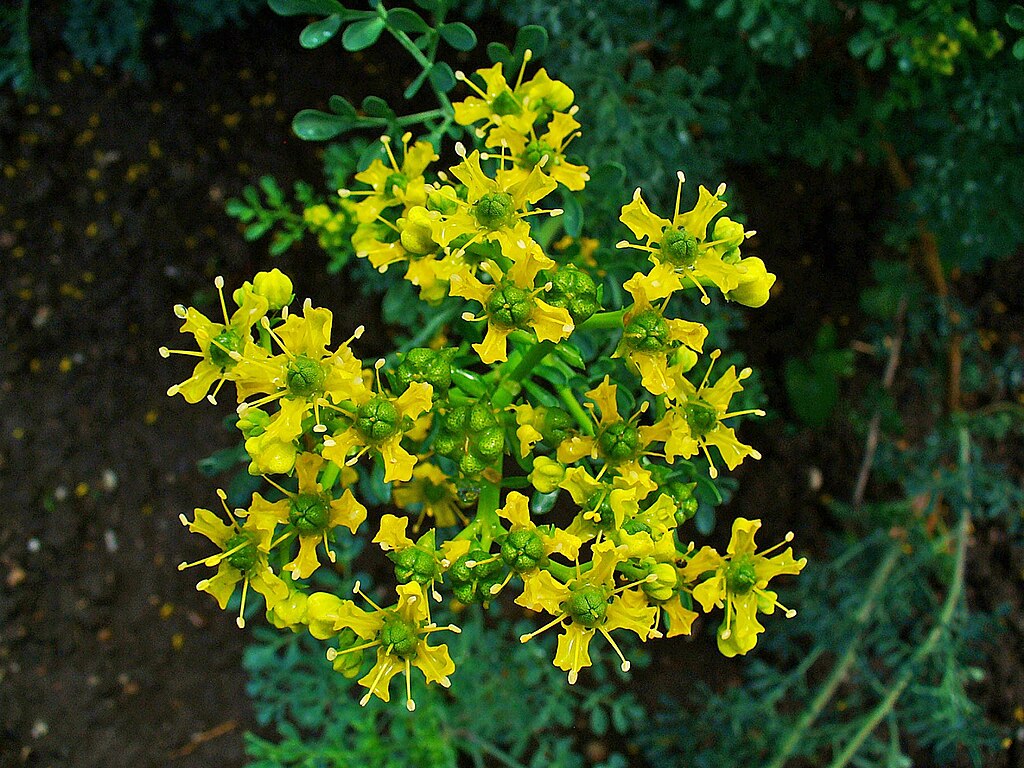
Rue was once considered a protective and sacred aromatic plant in ancient Greece and Rome. It produces a strong, unique fragrance used in rituals and early medicinal practices.
Why it’s special: In modern balconies, it grows surprisingly easily and adds a rustic Mediterranean vibe.
Key Features & Care Tips
- Sunlight: Full sun to partial shade. Too much shade reduces aroma strength.
- Watering: Requires moderate watering; let the soil partially dry between watering cycles.
- Soil Type: Slightly alkaline, well-drained soil works best.
- Seasonal Care: Trim after flowering to maintain shape and promote fresh aromatic growth.
Pro Tip: Handle with gloves — some people may be sensitive to Rue’s sap.
7. Chamomile (Matricaria chamomilla / Chamaemelum nobile) — The Ancient Soothing Herb
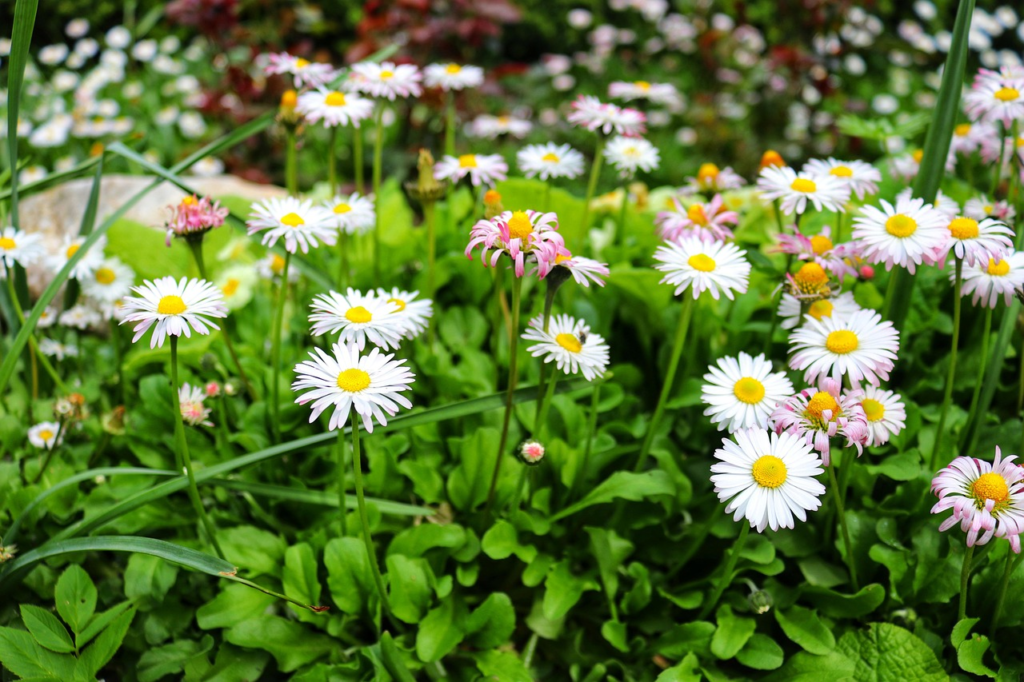
Chamomile was used by ancient Egyptians, Romans, and Europeans for medicinal teas, baths, and aromatherapy. Its gentle, apple-like fragrance is calming and therapeutic, making it a timeless herbal favourite.
Why it’s special: Chamomile grows compactly in pots, making it perfect for balconies, and brings a soft, soothing aroma to urban spaces.
Key Features & Care Tips
- Sunlight: Full sun to partial shade (4–6 hours daily).
- Watering: Keep soil moderately moist; avoid waterlogging.
- Soil Type: Light, well-draining soil rich in organic matter.
- Seasonal Care: Harvest flowers as they bloom to maintain plant vigour.
- Pro Tip: Dry flowers for teas or potpourris; aroma is strongest when freshly harvested.

Why These Ancient Aroma Plants Work So Well on Balconies
These forgotten ancient species are perfect for balcony gardening because:
1. They’re Naturally Resilient
Most originated in harsh climates, making them tough, easy-to-grow plants for small containers.
2. Their Aromas Are Stronger Than Common Modern Herbs
Ancient civilisations used them for perfumes, rituals, and herbal healing — so their fragrance strength is naturally high.
3. They Require Minimal Water and Care
Many thrive in dry or partially shaded balcony conditions.
4. They Add a Unique Historical Touch
Growing these ancient plants makes your garden feel mystical and exotic.
5. They Improve Balcony Ambience
Their aromatic leaves and roots create a relaxing, mood-boosting environment.
Conclusion
Ancient aroma plants aren’t just relics of history — they’re powerful, fragrant, balcony-friendly species that deserve a comeback. These 8 ancient aroma plants are so rare that even historians overlook them — yet they grow perfectly on balconies, bring beauty, scent, and heritage right into your home.
Which one will you grow first? Tell me in the comments — or ask for care guides, images, or planting layouts!